How Is Stainless Steel Made
Manufacturing Process of Stainless Steel
Stainless steel production starts with iron ore, carbon, nickel, silicon and chromium. All of the elements are found in the earth. Stainless steel manufacturing begins with melting the steel which is made up of all of these elements.
Giant furnaces are used to smelt all the ingredients together during stainless steel manufacturing. The process can take anywhere between 8-12 hours of intense heat. Once the elements are all melted together and the heating process is complete the mixture is poured into casts and moulds.
The mixture can be used to form, sheets, billets, slabs, tubes and other shapes. The steel is treated several times during stainless steel production after coming out of the mould, heating and cooling processes strengthens the steel.
After complete cooling the stainless steel is removed from the cast or molds and polished to the desired finish which includes high shine, matte and satin.
57 Types Of Stainless Steel
Right now there are roughly 57 different types of stainless steel on the market that are used for everything from picture hanging wire to smoke stacks on factories. This type of steel is one of the most popular choices for appliances and a host of other residential items because it resists rust and is durable.
Stainless steel can resist rust because of the chromium content in the alloy that makes up the stainless steel. The higher the chromium content which typically ranges from 12%-20% the more rust and corrosion resistant the steel is.
Stainless steel is used at the rate of 200,000 tons in food processing equipment. It is estimated that there are over 100 million tons of stainless steel produced every year.
The Benefits Of Using Stainless Steel
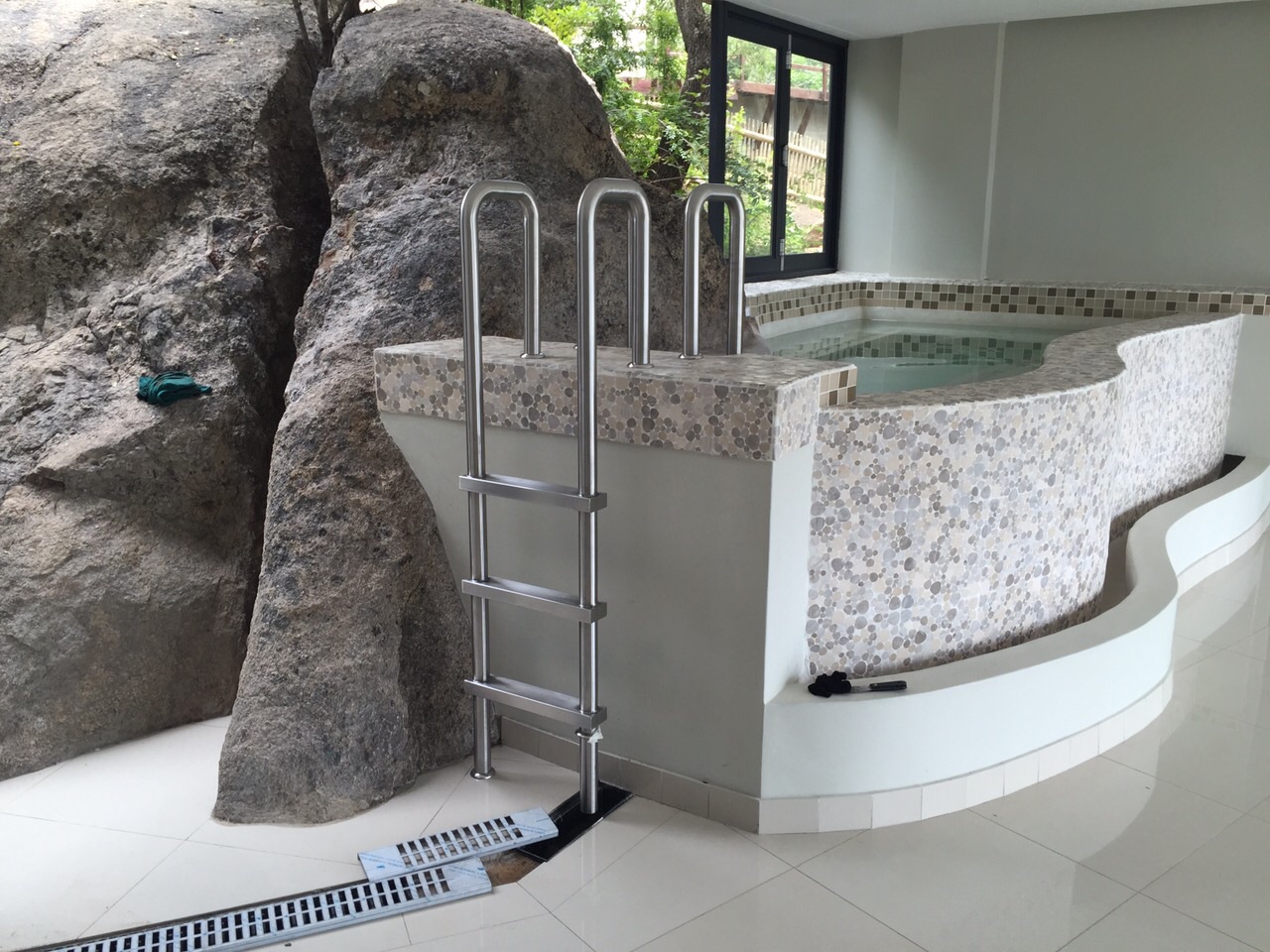
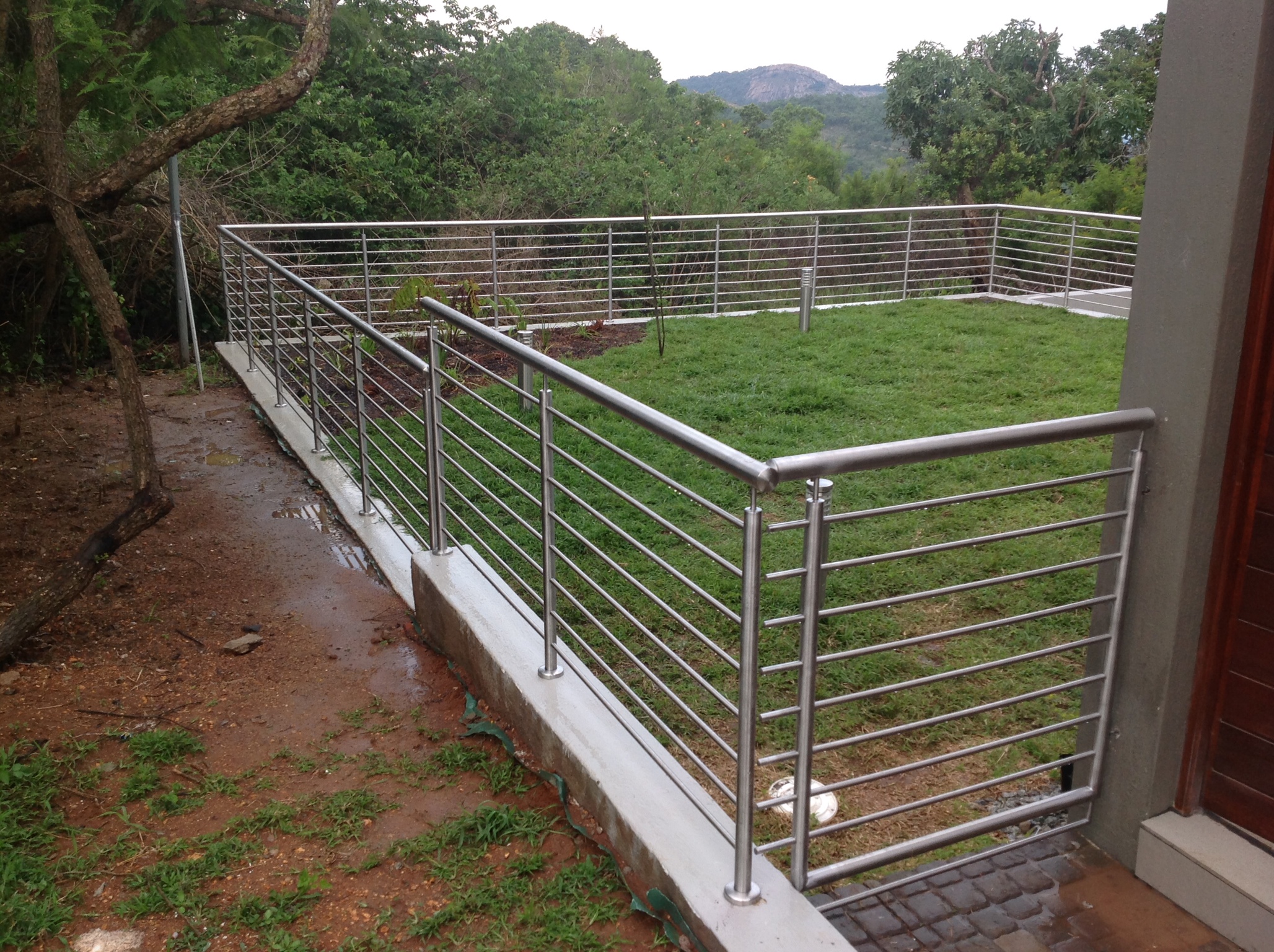
Stainless steel is chosen in many applications because it is durable, non corrosive and relatively inexpensive. It is used in the production of automobiles, medical processing, food services, commercial and residential building.
It is heat resistant, able to hold its shape and is strong. All of these qualities make stainless steel the choice for so many applications. It is often the least expensive choice for life cycle items that have to stand up to corrosive environments.
The ability to clean stainless steel has made it a long time favourite choice for hospitals and food preparation areas. Aesthetics of this material is also a huge factor in being chosen for a host of applications.
The use of Stainless Steel will continue to grow across industry and in every day applications because of the tremendous benefits that it offers.